
Rug pulls in cryptocurrency are exit scams where founders withdraw liquidity or vanish with investors’ funds, leaving a near-worthless token. They exploit misaligned incentives, opaque liquidity, and compromised governance to distort signals and raise risk. The typical playbook includes sudden tokenomics changes, vanished team credibility, and restricted access to reserves. While safeguards exist—verifiable reserves, independent audits, and transparent governance—questions remain about enforcement, accountability, and ongoing vigilance as markets evolve. The implications merit careful consideration for those involved.
What a Rug Pull Is and Why It Happens
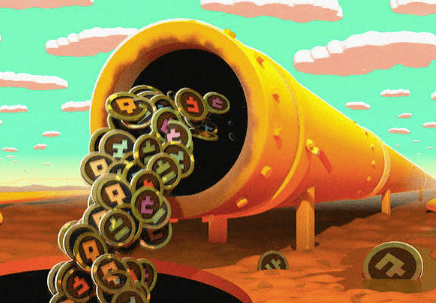
A rug pull is a type of exit scam in which project founders or insiders suddenly withdraw liquidity or disappear with investors’ funds, leaving others with a worthless or near-worthless token.
The fundamental mechanics involve misaligned incentives, opaque liquidity, and compromised governance.
This distorts market signals, elevates risk exposure, and underscores the need for verifiable reserves, audits, and cautious evaluation before commitment.
See also: Artificial Intelligence for Content Planning
How Rug Pulls Unfold: The Common Playbook
Rug pulls typically unfold in a recognizable sequence: developers initiate a new token with flashy promises, quietly secure liquidity, and then pivot to exit, often before the community fully realizes the risk.
The common playbook hinges on rug pull mechanics and creator incentives, guiding contributors toward short-term gains while masking long-term vulnerability, ultimately undermining trust and freedom in decentralized markets.
Red Flags and Safeguards: Protect Your Crypto
Protecting funds begins with recognizing warning signals that precede a rug pull. The detached analysis identifies rug pulls through objective scam indicators, such as opaque teams, unsustainable liquidity, and sudden governance issues. Safeguards include independent audits, transparent tokenomics, liquidity guardrails, and continuous monitoring. Awareness of liquidity traps and evolving governance concerns helps investors avoid high-risk schemes while preserving autonomy and financial freedom.
Notable Rug Pulls: Lessons and Practical Takeaways
Notable rug pulls offer concrete lessons about how quickly trust and value can evaporate in crypto markets. Clear patterns emerge: rapid hype, opaque leadership, and misaligned creator incentives distort risk. Investors should scrutinize liquidity, tokenomics, and governance before committing. Rug pull psychology explains herd behavior under pressure, while prudent safeguards counteract it. Awareness remains the first practical defense for freedom-minded participants.
Conclusion
A cautious assessment suggests rug pulls arise from misaligned incentives and opaque governance, not mere bad luck. The theory that exit scams thrive on liquidity manipulation holds credibility when signals—auditor gaps, sudden ownership changes, or vanished reserves—coincide with price spikes. Yet, not every abrupt exit is fraudulent; some reflect strategic pivots or governance failures. Vigilance, transparent tokenomics, verifiable reserves, and independent audits remain essential safeguards for investors navigating the high-risk terrain of decentralized markets.